💡 Some links in this article are affiliate links. If you buy through them, we may earn a small commission — at no extra cost to you. Learn more.
The average person touches their phone 2,617 times a day and spends over 4.5 hours staring at it. Reclaim half of that and you get back 800+ hours a year — the equivalent of twenty 40-hour work weeks. Digital minimalism is the system for getting those hours back without becoming a hermit.
What Digital Minimalism Is (and Isn’t)
Coined by Cal Newport, digital minimalism is «a philosophy of technology use in which you focus your online time on a small number of carefully selected activities that strongly support things you value — and happily miss out on everything else.» It is not anti-technology. It’s anti-default: nothing earns a place on your phone without justifying its cost in attention.
Phase 1: The 30-Day Declutter
Newport’s research with 1,600 participants found that gradual cutbacks almost always fail — the apps creep back. What works is a clean reset:
- Remove every optional app from your phone for 30 days. Optional = its absence won’t cost you your job or a relationship. Social media, news, games, YouTube — gone.
- Define what you’ll do instead. The void matters. Walks, books, hobbies with your hands, real conversations. Without replacements, the detox collapses into restlessness.
- After 30 days, reintroduce selectively. Each app must answer: does this strongly support something I deeply value? «It’s kind of useful» is a no.
Phase 2: Engineer the Phone Itself
- Grayscale mode. Color is the slot-machine layer. Settings → Accessibility → color filters. Apps lose roughly half their pull in gray.
- No social apps — browser only. Logging in through the browser adds just enough friction to kill the unconscious check.
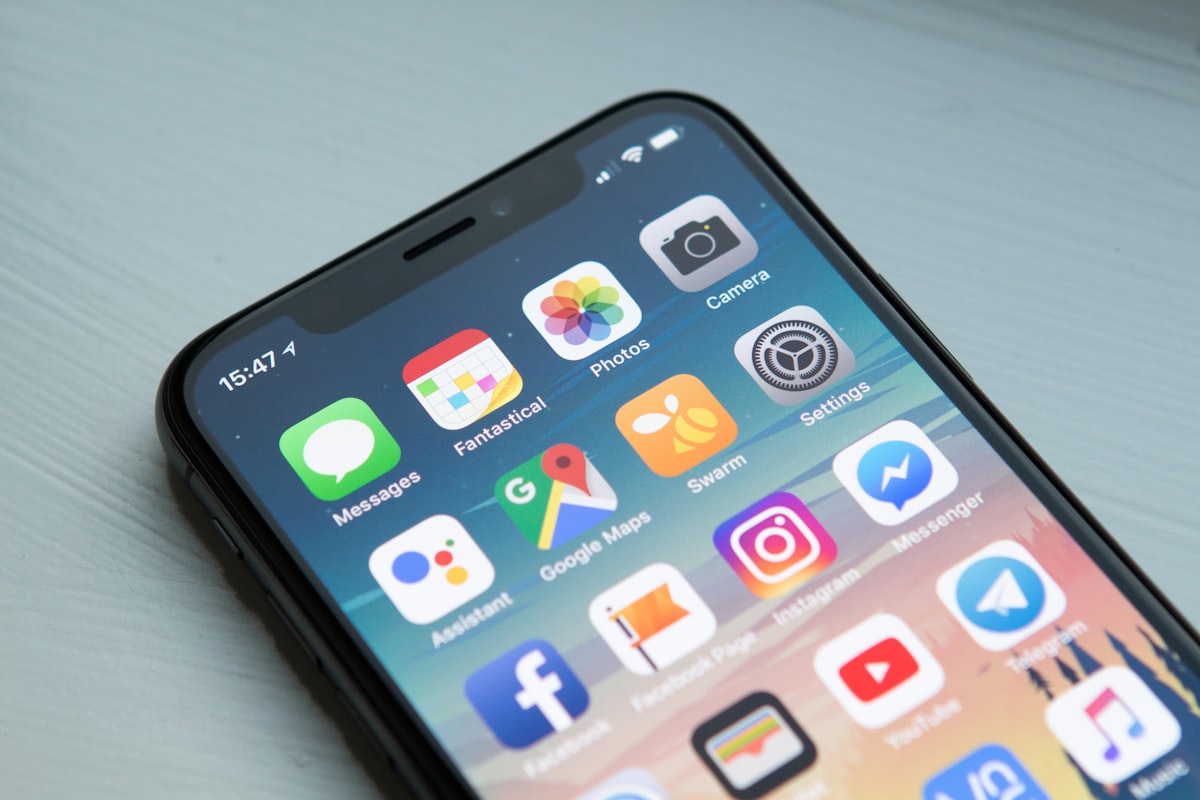
- Home screen = tools only. Maps, camera, notes, calendar. Everything else lives in search.
- Notifications: humans only. Calls and direct messages from real people. No app gets to interrupt you on its own behalf.
- Charge it outside the bedroom. The single highest-leverage change on this list. A $15 alarm clock replaces the 11 PM scroll and the 7 AM doom-check.
Phase 3: Replace, Don’t Just Remove
Attention abhors a vacuum. The people who sustain digital minimalism long-term aren’t the most disciplined — they’re the ones with the most interesting offline lives. Plan analog blocks the way you’d plan meetings: gym, reading, cooking, a project with your hands. Boredom is only unbearable when there’s nothing scheduled to fill it.
What Actually Happens After 30 Days
Participants in declutter experiments consistently report the same arc: days 1-5 are genuinely uncomfortable (phantom phone checks, restlessness), days 6-15 bring noticeably longer attention spans, and by day 30 most people report something they didn’t expect — they stopped missing most of it. The average participant permanently reinstalls fewer than half of the apps they removed.
Your phone is the most sophisticated attention-capture device ever built, and it’s optimized against you. Digital minimalism isn’t deprivation — it’s the decision that your attention belongs to your goals, not to an engagement metric in someone else’s dashboard.
Go Deeper Into Attention Management
The books behind digital minimalism and deep focus.